Repointing failed mortar
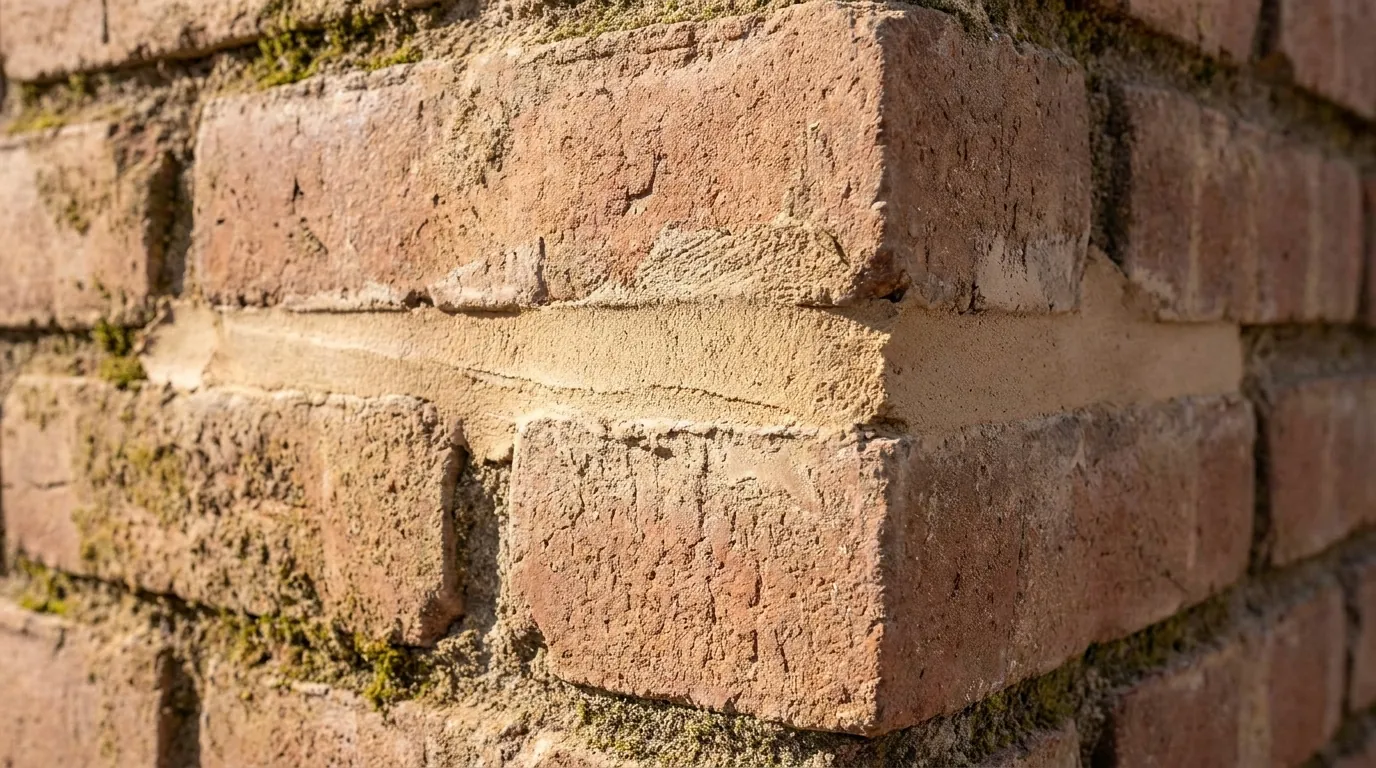
Mortar is the sacrificial part of a chimney — it is meant to wear before the brick does. When joints go soft or open up, repointing restores the barrier that keeps water out of the wall.
Chimney masonry repair in Chandler, AZ. Repointing, crown repair, flashing, and brick replacement to stop leaks and stabilize a damaged chimney.
A chimney is a masonry structure exposed on all sides to the weather, and in Chandler that weather is unusually punishing. Long stretches of dry heat draw moisture out of the mortar, then a single monsoon downpour drives water into every open joint and hairline crack. When you decide to repair a chimney here, the goal is not to hide the visible damage but to shut off the water path that caused it. A repair that skips that step will fail again on the next hard rain.
The most common repairs are repointing, crown repair, flashing resealing, and brick replacement. Repointing rakes out crumbling mortar and packs in fresh, water-shedding mortar. Crown repair patches or reseals the cracked wash at the top of the stack. Flashing work seals the roof-to-chimney joint that so often causes ceiling stains. Brick replacement swaps out spalled brick before it spreads damage to the units around it. On many chimneys, more than one of these is needed at once.
If your chimney is beyond patching — leaning, missing large sections, or crumbling through several courses — a repair may not be the right answer, and our rebuild and installation page explains when a rebuild makes more sense. To see the full range of what we handle, our chimney masonry repair service page lays out each type of work in detail.
These are the repairs that keep a Chandler chimney watertight and standing straight.
Mortar is the sacrificial part of a chimney — it is meant to wear before the brick does. When joints go soft or open up, repointing restores the barrier that keeps water out of the wall.
A cracked crown funnels rainwater straight into the masonry beneath it. Patching or resealing the crown is one of the highest-value repairs because it protects everything below.
Lifted or corroded flashing lets water run behind the chimney and into the roof deck. Resealing or replacing the flashing is often the fix that finally stops a stubborn leak.
Spalled brick and a missing or rusted cap both let water into the structure. Replacing them stops the damage from spreading and keeps rain and debris out of the flue.
A repair should fix the cause, not just cover the symptom. Here is how we approach it.
Most repairs start with tracing where water is getting in — a crown crack, open joints, failed flashing, or a bad cap. That determines what actually needs fixing.
We clean and remove failed material so new mortar, sealant, or brick bonds to sound masonry instead of loose debris.
Repointing, crown patching, flashing resealing, or brick replacement — done to match the existing structure and shed water the way it was designed to.
Where appropriate we apply a breathable sealer, confirm the cap and crown are watertight, and clean up the roof and base.
Tell us what you are seeing — cracks, loose brick, a leak — and we will assess the chimney and explain what the repair involves.
Serving Chandler and the surrounding East Valley.
A simple repointing or crown patch can often be done in a day, while brick replacement across several courses takes longer. Weather matters too — masonry work needs dry conditions to cure, so monsoon rain can push a job. We give a realistic timeframe once we have assessed the damage.
A breathable masonry sealer helps slow water absorption, but it is not a fix for open joints, a cracked crown, or failed flashing. Those have to be repaired first. Sealing over active damage traps moisture and can make things worse.
Chandler's rain arrives in heavy, wind-driven bursts that push water into cracks that stay dry the rest of the year. A joint or flashing gap that never leaks in light rain can pour water during a monsoon storm, which is why leaks often show up suddenly in summer.
We work to match the color and joint profile of the existing masonry so the repair blends in rather than standing out. On older chimneys an exact match can be harder, but the goal is always a repair that looks like it belongs and sheds water correctly.